How to Prevent Body Image Issues From Social Media?
If you’ve ever opened social media feeling mostly okay about yourself and closed the app feeling worse, you’re not imagining it — and you’re not alone.
Social media has a unique way of sneaking into our nervous system. A few minutes of scrolling can quickly turn into comparison, self-criticism, and the quiet question of “What’s wrong with me?” For many people, especially those already vulnerable to body image concerns, anxiety, or perfectionism, this constant exposure can slowly erode self-trust and self-worth.
The goal isn’t to never feel triggered online. That’s unrealistic in a culture saturated with edited bodies and curated lives. Instead, learning how to prevent body image issues from social media is about building awareness, boundaries, and values-based choices that protect your mental health — without needing to disconnect from the world entirely.
1. Notice When Comparison Starts — and Treat That as a Cue, Not a Failure
Body image struggles on social media rarely start with logic. They start with comparison.
You might notice thoughts like:
“I should look like that by now.”
“Everyone else is aging better than me.”
“Why don’t I have that level of confidence/body/life?”
The moment you notice comparison, that’s not a personal flaw — it’s a signal. Your nervous system is reacting to unrealistic input. Instead of pushing through or telling yourself you’re being dramatic, pause and ask:
Is this content helping me feel grounded or disconnected?
Do I feel inspired or smaller?
Awareness is the first protective step. You don’t need to analyze every thought. Simply noticing “this isn’t good for me right now” is enough.
2. Use Boundaries on Social Media Without Guilt
One of the most practical ways to prevent body image issues from social media is also one of the most underused: curation.
Boundaries can include:
Muting accounts that consistently trigger comparison
Unfollowing influencers who reinforce rigid beauty ideals
Blocking content that leads to body checking or self-criticism
Actively following creators who show body diversity, aging, disability, and real-life bodies
This isn’t avoidance, it’s mental health hygiene. Just like you wouldn’t repeatedly expose yourself to conversations that shame your body in real life, you’re allowed to limit that exposure online.
A helpful reframe:
You are not “too sensitive.” You are paying attention to what your mind absorbs.
3. Remember: Most Content Online Is Edited, Filtered, and Curated
Even when you know photos are edited, your brain still responds emotionally to what it sees.
Most social media images involve:
Filters and lighting tricks
Strategic posing and angles
Photo editing apps
Selection bias (only the “best” moments shared)
Cosmetic procedures rarely disclosed
When scrolling, gently remind yourself:
“I’m comparing my real, three-dimensional body to a curated highlight reel.”
You don’t need to convince yourself the image is fake — just incomplete. This reminder can help interrupt the automatic belief that everyone else exists effortlessly while you’re struggling.
4. Set Gentle Social Media Limits (Especially During Vulnerable Moments)
For many people, body image distress increases during certain times:
When feeling anxious, lonely, or burned out
During hormonal shifts or illness
When already feeling disconnected from your body
This is where intentional limits matter more than rigid rules.
Examples:
Avoid scrolling first thing in the morning or late at night
Take breaks from appearance-focused apps
Set app timers — not as punishment, but as support
Replace scrolling with grounding activities when you feel vulnerable
Social media isn’t neutral for everyone, and learning when not to engage can be a powerful act of self-protection.
5. Reconnect With Value-Aligned Activities Offline
One of the most effective ways to prevent body image issues from social media isn’t online at all.
Body image improves when your life feels bigger than your appearance.
Value-aligned activities might include:
Moving your body in ways that feel supportive, not punishing
Spending time with people you care about
Creative expression, learning, or volunteering
Being present in your body through rest, nature, or mindfulness
When your day includes meaning, connection, and agency, social media loses some of its power. Your worth becomes anchored in who you are and how you live, not how you appear on a screen.
6. Shift From “How Do I Look?” to “How Am I Relating to Myself?”
Instead of trying to force body positivity, focus on your relationship with your body.
Ask:
Am I speaking to myself with respect?
Am I checking my body repeatedly or seeking reassurance?
Am I making choices from fear or from care?
Body neutrality and self-compassion can be especially helpful here. You don’t have to love your body to protect it from harm. You just have to treat it as something deserving of care.
Final Thoughts
Learning how to prevent body image issues from social media isn’t about perfection or cutting yourself off from modern life. It’s about noticing patterns, honoring your limits, and choosing yourself — over and over — in small, realistic ways.
If social media has shaped how you see your body, this is normal in our digital age. It means you’re human living among a billion dollar industry that profits off of insecurities. Healing starts when you stop blaming yourself and start building support — both internally and externally.
If body image concerns feel overwhelming or persistent, working with a therapist who understands these dynamics can help you untangle them safely and compassionately. You don’t have to navigate this alone.
Ready to Get Support?
If social media has been impacting how you feel about your body, you don’t have to work through that alone. Body image struggles are not a personal failure — they’re a very understandable response to the world we live in.
I offer a free consultation call for new clients where we can talk about what you’re experiencing, explore whether therapy feels like a good fit, and discuss next steps in a low-pressure way. Learn more about body image therapy
👉 Schedule your free consultation call (for clients in New York)
About the Author
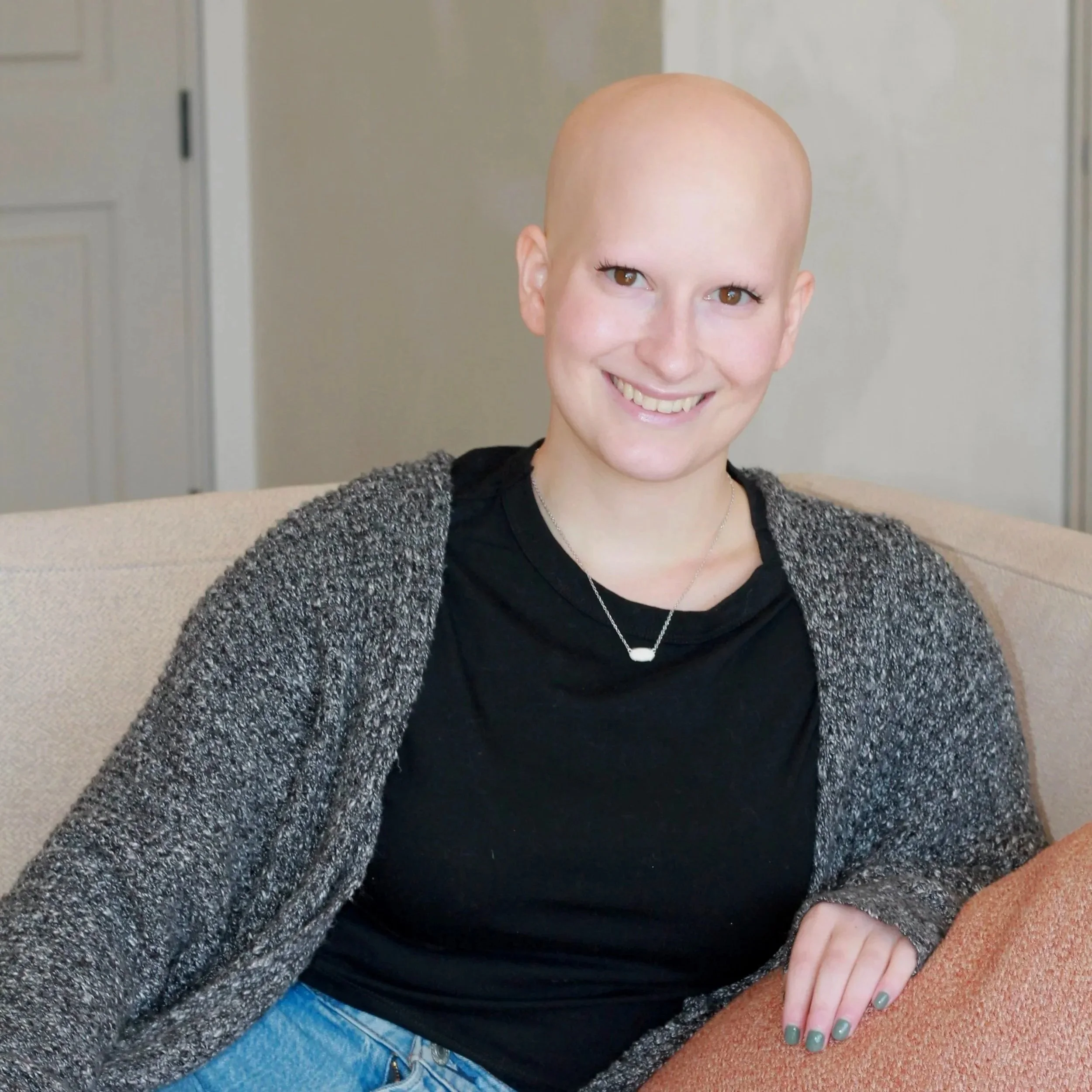
Alison Mann, LCSW is a licensed psychotherapist and founder of Authentically You Therapy, where she specializes in body image healing, anxiety, eating disorders, and body-focused repetitive behaviors. Her work is rooted in body-positive values and neurodivergent affirming care. Alison is also the founder of Aid by Ali, a platform providing mental health resources for individuals experiencing hair loss. She is passionate about helping people feel safe to be their authentic self.
FAQ Section
How does social media affect body image?
Social media often promotes narrow beauty standards, edited images, and constant comparison. Over time, this can increase body dissatisfaction, anxiety, and self-criticism — especially for people already sensitive to appearance-based feedback or have already experienced a complex relationship with food/body.
Can social media cause body image issues even if I know photos are edited?
Yes. Even when you logically understand that images are filtered or curated, your brain still responds emotionally. Knowing content is edited doesn’t fully protect against comparison, which is why boundaries and intentional use are important.
What are healthy boundaries on social media for body image?
Healthy boundaries may include muting or unfollowing triggering accounts, limiting time on appearance-focused apps, avoiding scrolling during vulnerable moments, and following creators who represent diverse, realistic bodies.
Is it better to quit social media entirely for body image healing?
Not necessarily. Some people benefit from taking breaks or deleting the apps entirely, while others do better learning how to use social media more intentionally. The goal isn’t avoidance — it’s protecting your mental health while staying connected in ways that align with your values.
How can therapy help with body image issues related to social media?
Therapy can help you understand how comparison, perfectionism, anxiety, and self-criticism show up in your body image. Therapy will help evaluate what has contribute to the root of body image issues and the things that are maintaining negative body image. A therapist can also help you build self-compassion, reduce body checking behaviors, and create healthier relationships with both your body and social media.