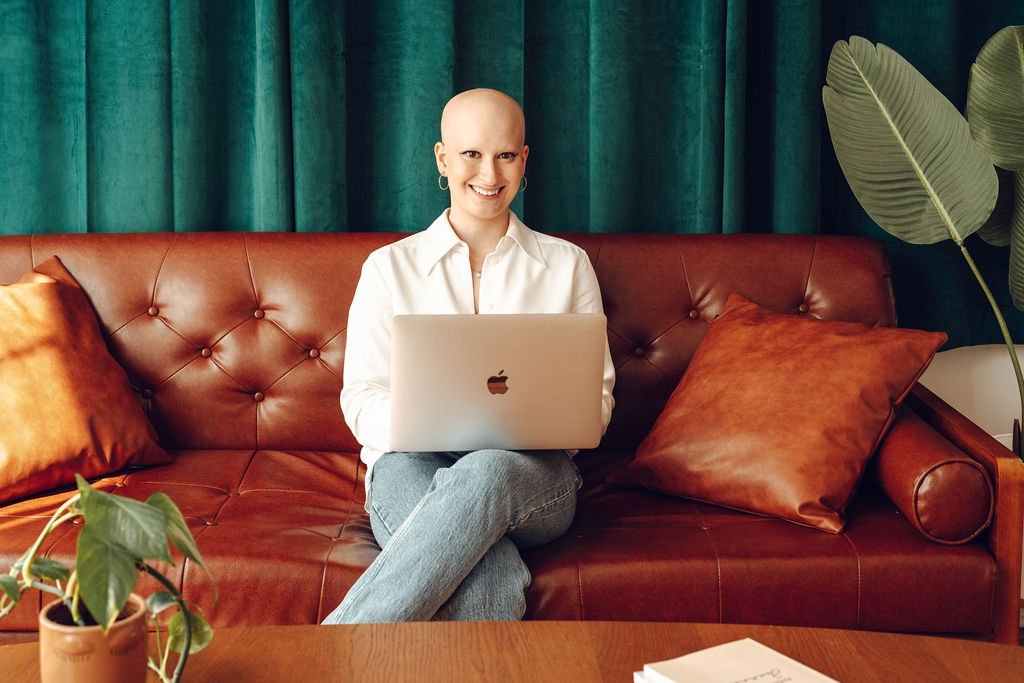
How to Accept Hair Loss: A Bald Therapist’s Perspective on Real Acceptance
If you’re searching for how to accept hair loss, chances are you’re navigating emotions that feel overwhelming, confusing, or even isolating. Hair loss — whether from Alopecia Areata, balding at a young age, trichotillomania or a sudden medical diagnosis — can deeply impact identity, self-esteem, and emotional well-being.
As a therapist who has been bald since age 6, one of my biggest concerns is how often acceptance is misunderstood. Social media frequently frames acceptance as constant self-love or positivity, implying that once you’ve “accepted” something, you should no longer feel upset. This couldn’t be further from the truth — especially when it comes to something as personal and life-altering as hair loss.
Acceptance does not mean liking what’s happening. It means learning how to live alongside it with less suffering and more self-compassion.
What Acceptance Really Means
When we talk about acceptance in therapy, we’re not talking about giving up or pretending everything is okay.
A common myth is that acceptance requires feeling positive about your circumstances. Many people assume that if they’re still grieving, angry, or frustrated, they must be “doing it wrong.”
In reality, acceptance is the ability to allow your thoughts and emotions to exist without judging or shaming yourself for having them. It involves acknowledging what is happening right now — without denial — and gently letting go of what is outside your control. Essentially, meeting yourself where you’re at with compassion.
This approach is closely aligned with Radical Acceptance, a concept from Dialectical Behavior Therapy (DBT). Radical acceptance helps prevent pain from turning into suffering. While pain is unavoidable, suffering often comes from resisting reality or fighting against what already exists.
Acceptance is not passive — it is an active, ongoing practice that takes time, patience, and support.
Accepting Hair Loss in a Stigmatizing World
Accepting hair loss is especially challenging in a culture that places so much value on appearance. Many clients I work with describe an intense urge to “fix” their hair loss immediately — not because something is wrong with them, but because of the messages they’ve absorbed about beauty, worth, and normalcy.
It’s important to clarify that acceptance and action can coexist. Exploring treatments, wearing wigs, or trying different coping strategies does not mean you’ve failed at acceptance. These choices can be part of caring for yourself while learning to live with uncertainty.
Acceptance does not require you to stop covering your hair, stop pursuing treatment, or feel confident every day. It simply asks:
Am I acknowledging my reality as it is right now?
Am I allowing myself to feel what I feel without self-judgment?
There is no single “right” way acceptance should look.
Acceptance vs. Resistance
Resistance often sounds like:
“This shouldn’t be happening to me.”
“I shouldn’t still be upset about this.”
“I’ll never feel okay again.”
“I can’t be loved or confident this way.”
“I need to hide myself to be accepted.”
Radical acceptance sounds more like:
“This is incredibly hard, and it makes sense that I’m struggling.”
“Losing my hair has affected my identity, and I’m allowed to grieve that.”
“I don’t have to feel good about this to treat myself kindly.”
“I can take this one step at a time.”
“I am still lovable even when I don’t feel like I am.”
The difference isn’t about eliminating pain, it’s about reducing the added layer of suffering that comes from the self-criticism and shame of resistance.
What If Acceptance Comes and Goes?
Many people worry that moments of intense sadness or frustration mean they’ve “lost” acceptance. In reality, acceptance is not a destination, it’s a skill that strengthens with practice.
You may still experience moments of suffering. What changes over time is your ability to notice those moments, offer yourself compassion, and avoid staying stuck in them. This is often one of the most meaningful shifts clients experience in therapy.
Learning how to accept hair loss doesn’t mean you stop caring. It means you stop hurting yourself for caring.
Support for Your Acceptance Journey
Acceptance is deeply personal, and for many people, it’s not something that happens alone. Therapy can provide a supportive space to process grief, identity changes, body image concerns, and the emotional impact of hair loss at your own pace.
If you’re seeking support, we offer:
Free consultation for Individual therapy (for clients located in New York)
Free consultation for 1:1 hair loss coaching (for anyone worldwide)
You don’t have to rush acceptance — and you don’t have to do it by yourself.
About the Author
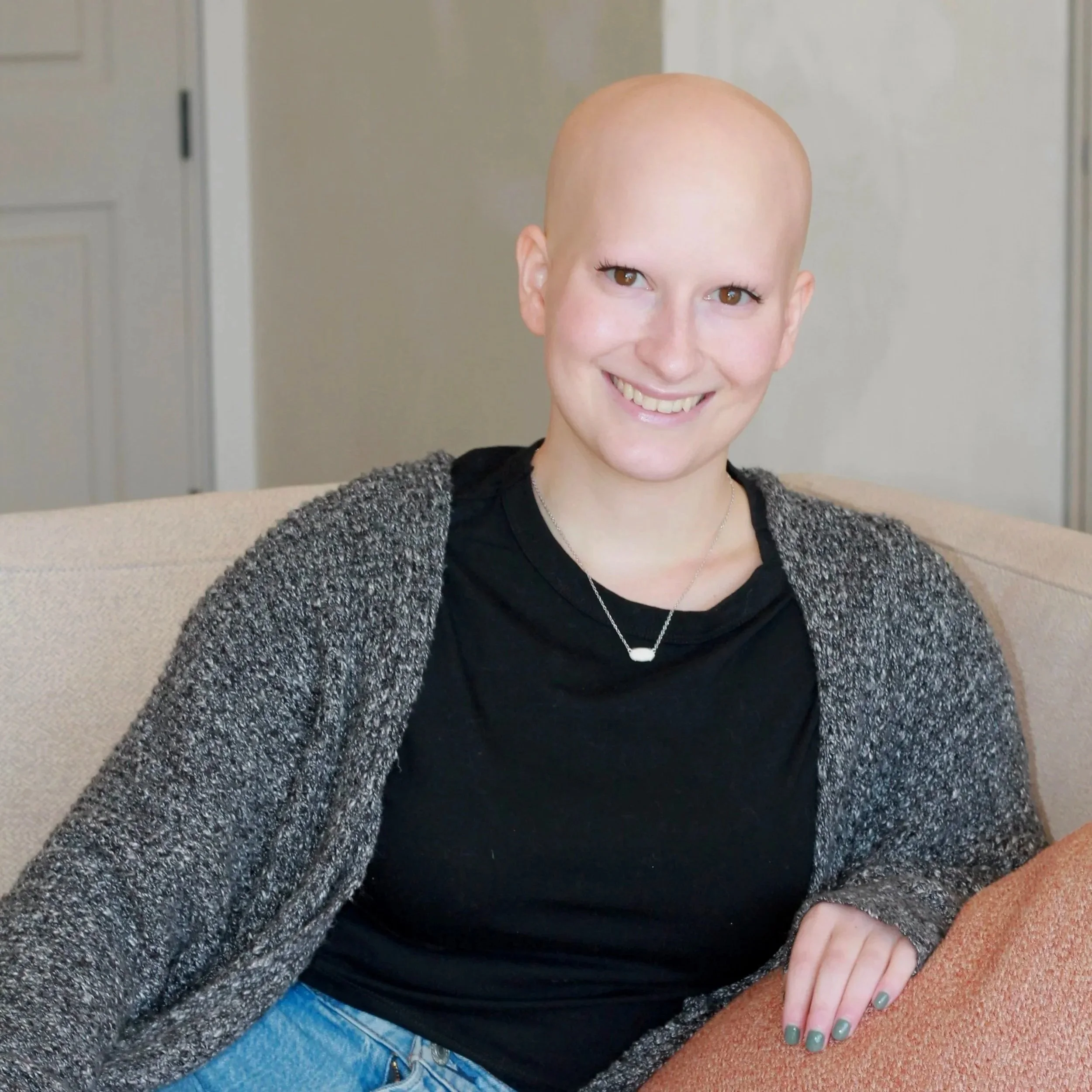
Alison Mann, LCSW is a licensed psychotherapist and founder of Authentically You Therapy, where she specializes in body image healing, anxiety, eating disorders, and body-focused repetitive behaviors. Her work is rooted in body-positive values and neurodivergent affirming care. Alison is also the founder of Aid by Ali, a platform providing mental health resources for individuals experiencing hair loss. She is passionate about helping people feel safe to be their authentic self.
Frequently Asked Questions About Accepting Hair Loss
How long does it take to accept hair loss?
There is no set timeline for acceptance. For many people, accepting hair loss is not a one-time moment but an ongoing process. Grief, anger, sadness, and relief can all show up at different points. Acceptance often grows gradually as you learn to respond to your emotions with compassion rather than judgment.
Does accepting hair loss mean I have to like it?
No. Acceptance does not mean liking your hair loss or feeling positive about it all the time. It means acknowledging your reality without fighting yourself for having emotional reactions. You can dislike what’s happening and still practice acceptance.
Can I accept hair loss and still pursue treatment or wear wigs?
Yes. Acceptance and action can exist at the same time. Exploring treatments, wearing wigs, or styling choices does not mean you’ve failed at acceptance. These decisions can be part of caring for yourself while navigating uncertainty and change.