What Is Habit Reversal Therapy for Skin Picking?
If you’ve ever found yourself picking at your skin and thinking, “Why can’t I just stop?”—I want you to know this first: skin picking is not a lack of willpower. It’s not a failure. And it’s not something you’re doing “wrong.”
Skin picking (also called excoriation disorder or a body-focused repetitive behavior, or BFRB) is much more complex than it looks on the surface. That’s exactly why white-knuckling it rarely works.
One of the most effective, evidence-based treatments for skin picking is Habit Reversal Therapy. So let’s slow this down and really answer the question many people are searching for:
What is habit reversal therapy for skin picking—and how does it actually help?
Understanding Skin Picking as a Body-Based Habit
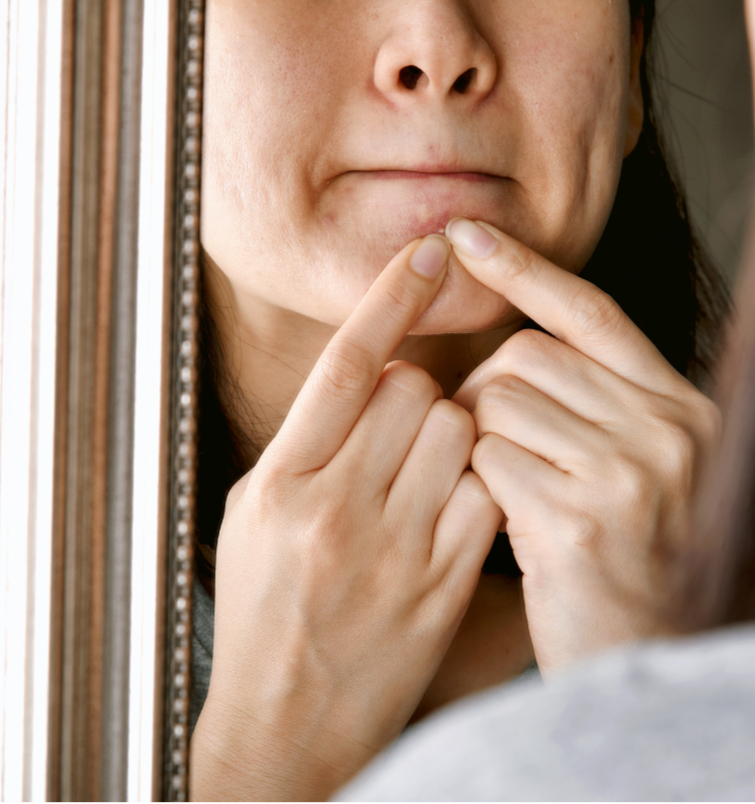
Skin picking often happens outside of conscious awareness or once it is in conscious awareness, you are already deep into a picking episode. You might notice it while zoning out, feeling anxious, overwhelmed, bored, or emotionally flooded. For many, it brings a brief sense of relief, regulation, or focus—even if it’s followed by shame or frustration afterward.
This is why simply telling yourself “don’t pick” doesn’t work. The behavior isn’t driven by logic. It’s driven by your nervous system.
Habit Reversal Therapy (often called HRT) was developed specifically to treat repetitive behaviors like skin picking, hair pulling, and nail biting. Rather than shaming or suppressing the behavior, HRT works by helping you understand the habit, interrupt it, and replace it with something safer and more supportive.
What Is Habit Reversal Therapy for Skin Picking?
Habit Reversal Therapy for skin picking is a structured, skills-based approach that helps you:
Increase awareness of when and how skin picking happens
Identify triggers (emotional, physical, environmental)
Learn alternative behaviors that meet the same need without harming your skin
Reduce shame by understanding the function of the behavior
In other words, HRT doesn’t ask you to fight your urges—it teaches you how to respond to them differently.
The Core Components of Habit Reversal Therapy
While Habit Reversal Therapy can be adapted to each person, it generally includes a few key components.
1. Awareness Training
This is the foundation of HRT.
Many people pick their skin automatically, without realizing it’s happening until after the fact. Awareness training gently helps you notice:
When urges show up
What sensations, thoughts, or emotions come before picking
Where and how the behavior happens (mirrors, scrolling, lying in bed, stress moments)
This isn’t about hyper-monitoring yourself—it’s about building curiosity instead of judgment.
2. Identifying Triggers and Patterns
Skin picking doesn’t happen randomly. Over time, patterns emerge.
Habit Reversal Therapy helps you understand:
Emotional triggers (anxiety, shame, overwhelm, boredom, racing thoughts)
Sensory triggers (rough skin, scabs, lighting, mirrors)
Situational triggers (being alone, studying, nighttime routines)
Movement triggers (body positions that may make you more prone to picking)
When we understand why the behavior shows up, we can respond with more compassion and more effective tools.
3. Competing Responses
This is the part most people think of when they hear about HRT.
A competing response is a safe, alternative behavior you can do when the urge to pick shows up. These behaviors make the skin picking physically harder while still helping your body regulate.
Examples might include:
Clenching fists or holding a grounding object
Using textured items or fidgets
Gently placing hands under your legs or in pockets
Engaging in a calming sensory activity
Mindfulness activities
Behavior blockers such as bandaids
The goal isn’t perfection or completely getting rid of the behavior (because think about how long your body has used picking as a way to cope). It’s creating a pause long enough for the urge to pass. Overtime, your increased awareness coupled with increased alternative coping tools will decrease the BFRB behavior.
4. Nervous System Regulation
Skin picking often functions as a way to cope with distress. If we remove the behavior without adding other ways to soothe your nervous system, the urges will not pass as easily.
That’s why effective habit reversal therapy for skin picking also focuses on:
Emotional regulation skills
Self-compassion
In my work, this often includes integrating mindfulness, self-compassion practices, and body-based strategies alongside traditional HRT.
What Habit Reversal Therapy Is Not
It’s important to clear this up.
Habit Reversal Therapy is not:
Forcing yourself to stop cold turkey
Punishing or shaming yourself for picking
Ignoring emotional pain
A quick fix that eliminates urges overnight
Instead, it’s a gradual, supportive process that helps you build awareness, flexibility, and trust in yourself again.
Does Habit Reversal Therapy Work for Skin Picking?
Research consistently shows that Habit Reversal Therapy is one of the most effective treatments for skin picking disorder. That said, it works best when it’s personalized.
For many people, skin picking is also connected to anxiety, perfectionism, trauma, body image distress, or sensory sensitivity. When we address those layers alongside HRT, healing becomes more sustainable—and less exhausting.
A Compassionate Note If You’re Struggling
If you’re searching “what is habit reversal therapy for skin picking,” there’s a good chance you’re feeling frustrated, stuck, or discouraged. Maybe you’ve tried to stop before and felt like you “failed.”
You didn’t fail. Your nervous system was doing its best to cope.
If you’re curious about whether Habit Reversal Therapy for skin picking could help you, working with a therapist who understands BFRBs can make a meaningful difference. You don’t have to do this alone and you don’t have to hate yourself into change.
I am current accepting new clients who are located in New York. If you would like to schedule a free consultation to learn more, you can use this link