How Alopecia Affects Mental Health
TL;DR Alopecia is often talked about like it’s “just cosmetic,” but for many people, the emotional impact runs much deeper. Hair loss can affect identity, confidence, anxiety levels, relationships, social comfort, and overall mental health. Many people with alopecia experience grief, hypervigilance, body image distress, depression, or OCD-like checking behaviors. Therapy can help you process the emotional impact without minimizing what you’re going through.
One of the most painful parts of living with alopecia is how often people dismiss it.
“It’s just hair.”
“At least it’s not dangerous.”
“You can wear a wig.”
“You’re still beautiful.”
While these comments are usually well-intentioned, they can completely miss the reality of what hair loss actually feels like to live with.
Because alopecia doesn’t just affect hair.
It can affect how safe you feel in your body.
How visible you feel in public.
How you see yourself in the mirror.
How much mental energy you spend trying to hide, prepare, monitor, or cope.
And for many people, the emotional impact starts long before anyone else realizes something is wrong.
Alopecia Can Change Your Relationship With Yourself
Hair is deeply tied to identity in our culture. It’s connected to gender expression, personality, culture, and even how people recognize us.
So when hair loss happens—especially suddenly—it can feel disorienting.
Many people with alopecia describe feeling like:
They no longer recognize themselves
They’ve “lost” a part of who they are
Their confidence disappeared overnight
They’re constantly aware of how they look
They feel exposed, vulnerable, or “on display”
Even people who logically know their worth is not defined by appearance can still feel emotionally impacted by visible hair loss.
That’s because body image is not about vanity. It’s about the brain’s perception of safety, identity, belonging, and self-worth.
The Mental Health Effects of Alopecia
The emotional effects of alopecia can look different for everyone, but some of the most common struggles include:
Anxiety
Many people with alopecia become hyperaware of their appearance and surroundings.
You might find yourself:
Constantly checking mirrors or cameras
Worrying people are staring
Social anxiety or avoidance
Avoiding bright lighting, wind, water, or photos
Feeling panic when you notice increased shedding
Mentally preparing for comments or questions before social situations
Over time, this can create chronic anxiety and hypervigilance.
Depression and Grief
Alopecia can also trigger a very real grief response.
Not just grief over hair itself—but grief over:
The version of yourself you used to feel connected to
Lost ease or confidence
Missed experiences
Feeling “normal”
The emotional energy alopecia now consumes
Many people feel guilty for struggling emotionally because others minimize hair loss. But grief does not need to meet someone else’s threshold to be real.
Body Image Distress
Alopecia can significantly impact body image, especially in a culture that places enormous value on appearance.
For some people, this can lead to:
Obsessive appearance monitoring
Difficulty being present socially
Comparing yourself to others
Avoiding mirrors—or becoming stuck in them
Feeling disconnected from your body
Increased shame or self-criticism
And importantly: body image distress is not always proportional to the amount of hair loss.
Someone with small patches may feel emotionally devastated. Someone with complete hair loss may feel more at peace. The emotional experience is personal—not determined by severity of hair loss alone.
Alopecia and OCD-Like Behaviors
For some individuals, alopecia can also trigger compulsive or obsessive patterns around appearance.
This might include:
Repeated scalp checking
Excessive photographing of hair
Monitoring shedding throughout the day
Seeking reassurance from others
Constant comparison to old photos
Excessive researching or treatment-checking
These behaviors usually come from fear and uncertainty, not vanity. But over time, they can unintentionally keep anxiety and distress stuck.
The Social Impact of Alopecia
Alopecia can affect relationships and social experiences in ways people don’t always talk about.
You may:
Avoid dating or intimacy
Feel uncomfortable sleeping over somewhere
Worry about being “found out”
Avoid swimming, gyms, or activities
Feel exhausted answering questions
Feel isolated from people who don’t understand
Children and teens with alopecia may also experience bullying, social anxiety, or fear of standing out.
And parents of children with alopecia often carry their own emotional burden too—trying to support their child while managing fear, grief, helplessness, or uncertainty themselves.
You Do Not Have to “Just Be Confident”
One of the most frustrating messages people with alopecia receive is the pressure to instantly become confident or positive.
But healing usually doesn’t happen through forcing positivity.
It happens through:
Processing grief honestly
Building emotional flexibility
Reducing shame
Learning how to tolerate visibility and vulnerability
Reconnecting with identity beyond appearance
Creating safety in your body again
You do not have to pretend alopecia doesn’t affect you in order to heal your relationship with yourself.
How Therapy Can Help
Therapy for alopecia is not about convincing you that hair loss “shouldn’t matter.”
It’s about helping you navigate the very real emotional impact of living in a world where appearance often affects how we move through life.
Therapy can help with:
Social avoidance
Identity changes
Shame and self-criticism
OCD-like checking behaviors
Depression and grief
Coping with uncertainty or treatment decisions
Most importantly, therapy gives you a space where your experience does not have to be minimized in order to be supported.
Final Thoughts
Alopecia affects far more than appearance.
For many people, it affects identity, emotional safety, confidence, relationships, and daily mental load in ways that are difficult to explain to others.
And if you’ve been struggling emotionally with hair loss, it does not mean you are shallow, dramatic, or “too focused on looks.”
It means you are a human experiencing a life-altering event.
Searching for a therapist who understands what it is like to live with Alopecia?
I am currently accepting clients in NY and NJ: Schedule a free consultation here
About the Author
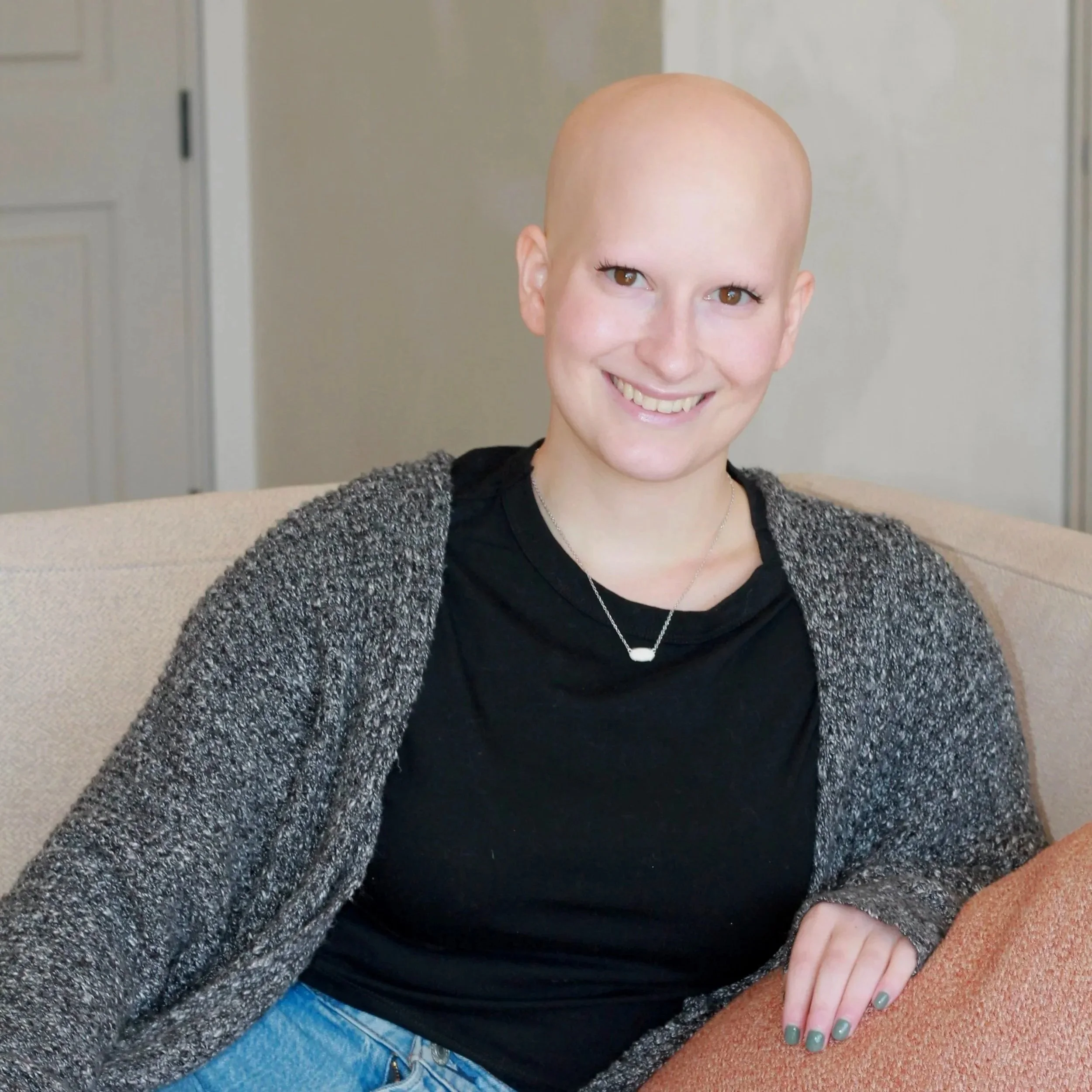
Alison Mann, LCSW is a licensed psychotherapist and founder of Authentically You Therapy, where she specializes in body image healing, anxiety, eating disorders, and body-focused repetitive behaviors. Her work is rooted in body-positive values and neurodivergent affirming care. Alison is also the founder of Aid by Ali, a platform providing mental health resources for individuals experiencing hair loss. She is passionate about helping people feel safe to be their authentic self.