The Hidden Habits That Are Keeping Your Body Image Stuck
TL;DR Body image struggles are often maintained by hidden habits like body checking, avoidance, comparison, and reassurance seeking. While these behaviors may provide short-term relief, they keep your focus on your body and reinforce the cycle over time. Healing involves gradually changing these patterns—reducing avoidance, setting boundaries with comparison, and making more value-aligned choices. Real change happens not just through insight, but by doing things differently in your everyday life.
If you’ve been struggling with body image for a while, you’ve probably asked yourself some version of this question:
“Why does this keep happening?”
You might understand where your body image struggles come from. You may have spent time reflecting on past experiences, recognizing the impact of family dynamics, or unpacking the role of social media and cultural standards.
And yet… the day-to-day experience hasn’t shifted as much as you hoped.
This is often the missing piece:
Body image isn’t lives in your brain, not your appearance. Often people think they need to adjust their appearance, but this approach does not target the behaviors maintaining negative body image.
Many of these habits are subtle. They can feel automatic, protective, even necessary. But over time, they quietly reinforce the very distress you’re trying to move away from.
Let’s talk about a few of the most common ones.
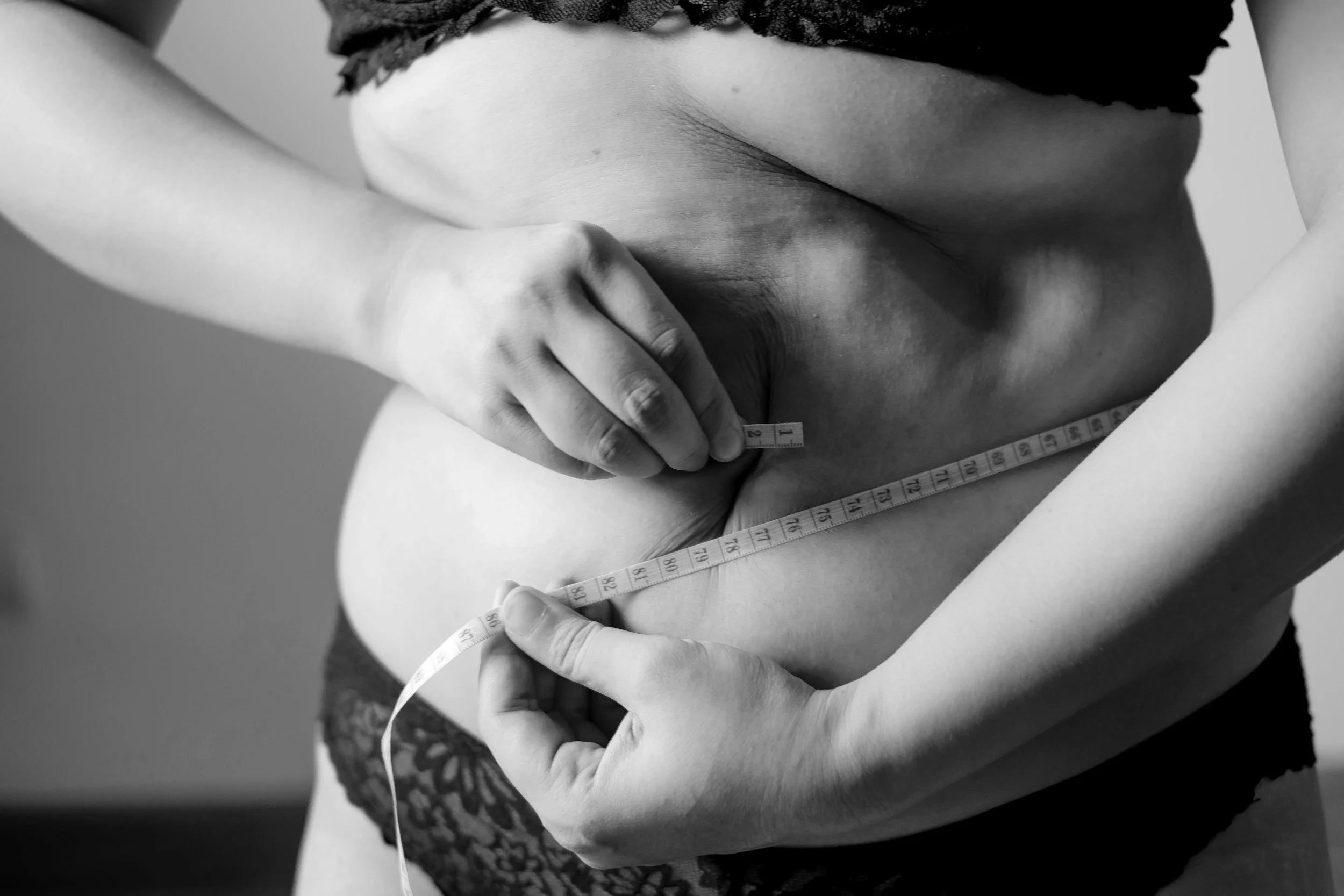
Body Checking: The Habit That Keeps You Hyper-Focused
Body checking can look like:
Frequently looking in mirrors or reflective surfaces
Taking multiple photos to “see how you look” or comparing old/new photos
Checking specific body parts throughout the day
Comparing how your body looks at different times
It often comes from a desire to feel more certain or in control.
But instead of providing relief, body checking tends to increase preoccupation. The more you check, the more your brain learns: this must be important.
Over time, your attention narrows. Your body becomes something to monitor rather than something to live in.
Body Avoidance: The Habit That Shrinks Your Life
On the opposite end, some people cope by avoiding.
This might look like:
Avoiding mirrors altogether
Wearing only “safe” clothing
Skipping photos or social events
Not engaging in activities where your body might be seen
Avoidance can feel protective. It can reduce anxiety in the moment.
But it also sends a powerful message to your brain:
“This is something I can’t handle.”
Over time, your world can get smaller. Not because you want it to—but because body image starts quietly making decisions for you.
Comparison: The Habit That Always Moves the Goalpost
Comparison is one of the most common and most exhausting body image habits.
It often shows up as:
Scrolling social media and comparing your body to others
Mentally ranking yourself in a room
Fixating on specific features you wish were different
Even when you “win” a comparison, the relief is usually temporary.
Because comparison isn’t actually about accuracy—it’s about evaluation.
And when your brain is constantly evaluating, it keeps your body at the center of your attention.
Reassurance Seeking: The Habit That Never Fully Satisfies
This can look like:
Asking others how you look
Seeking validation after trying on clothes
Needing confirmation that you look “okay”
Reassurance can feel comforting in the moment.
But like body checking, it teaches your brain to rely on external validation instead of building internal trust.
And the relief rarely lasts.
Trying to “Fix” Your Appearance
This is often the most socially reinforced habit, especially now that “looksmaxing” is a current trend.
It might look like:
Constantly thinking about how to improve your appearance
Believing confidence will come after your body changes
Delaying parts of your life until you “feel better” about how you look
The problem is that this approach keeps your focus locked on your body.
It creates a moving target: I’ll feel better when…
And that “when” tends to keep shifting. It is often a never ending trap.
Why These Habits Keep You Stuck
All of these habits have something in common:
They’re attempts to reduce discomfort in the short term.
And they often work—briefly.
But in the long term, they reinforce the idea that:
Your body needs constant attention
Your appearance determines how you feel
Discomfort about your body is something to fix or avoid
Your worth is tied to your appearance
Your appearance is the most important thing about you
This keeps the cycle going.
What Actually Helps Break the Cycle
Body image healing isn’t about eliminating negative thoughts.
It’s about changing your relationship to them—and the behaviors that follow.
This often includes:
Reducing Body Checking (Gradually)
Not all at once, but intentionally noticing and decreasing how often you check.
Gently Decreasing Avoidance
Starting to re-engage with things you’ve been avoiding—at your own pace.
Setting Boundaries with Comparison Triggers
Curating social media, limiting exposure, and noticing when comparison pulls you in.
Practicing Neutrality Instead of Critique
Shifting from “Do I look good?” to “Can I let my body just exist right now?”
Making Value-Aligned Choices
Choosing actions based on what matters to you—not how you feel about your body in the moment.
Body Image Healing Is Behavioral, Not Just Cognitive
This is why body image work often goes beyond traditional talk therapy.
Insight helps you understand why you feel the way you do.
But change happens when you begin to do things differently, even when it feels uncomfortable.
Not perfectly. Not all at once.
But consistently enough that your brain starts to learn something new:
Your life doesn’t have to revolve around your body.
You’re Not Doing It Wrong
If you recognize yourself in these habits, it doesn’t mean you’ve failed.
It means you’ve been trying to cope in ways that made sense at the time.
Body image struggles are not about lack of willpower, they’re about patterns that become deeply ingrained over time.
And patterns can be changed with the right support, structure, and approach.
Looking for a body image therapist in New York to support your journey?

About the Author
Alison Mann, LCSW is a licensed psychotherapist and founder of Authentically You Therapy, where she specializes in body image healing, anxiety, eating disorders, and body-focused repetitive behaviors. Her work is rooted in body-positive values and neurodivergent affirming care. Alison is also the founder of Aid by Ali, a platform providing mental health resources for individuals experiencing hair loss. She is passionate about helping people feel safe to be their authentic self.