Why Talk Therapy Isn’t Always Enough for Body Image
TL;DR: Talking about body image in therapy can be helpful for understanding where your struggles come from—like past comments, family dynamics, or cultural pressures. But insight alone often isn’t enough to change how you feel about your body. Healing body image usually requires changing behaviors that maintain the struggle, such as body checking, avoidance, and comparison with modalities such as mirror exposure.
Many people hope there is a magic bullet answer to feel better about their body (and I wish there was too). Often, many people have experiences in therapy where they have talked a lot about their negative body image. And talking about your experiences absolutely matters. Understanding where body image wounds come from can be incredibly validating and healing.
But when it comes to body image, insight alone is rarely enough. It tends to keep people feeling stuck.
You might fully understand why you struggle with your body and still feel stuck in the same patterns—body checking in the mirror, avoiding photos, comparing yourself on social media, or feeling your mood rise and fall based on how your body looks that day.
That’s because body image healing doesn’t just happen through reflection in the therapy room. It happens through actionable changes inside and outside the therapy room.
Talk Therapy in Body Image Work is a Good Starting Point
Talk therapy plays a meaningful role in body image recovery and often is an important place to start. Many people have never had a safe space to unpack the experiences that shaped how they see themselves.
Some of the most helpful conversations in therapy involve exploring:
Early body image injuries
Comments from peers, family members, coaches, or doctors can leave lasting marks. Even a single comment during adolescence can shift how someone sees their body for years.
Family dynamics and beliefs about appearance
Many people grow up in environments where bodies are constantly discussed, judged, or compared. Understanding these dynamics helps people see that some of their beliefs about their body were learned, not inherently true.
Cultural and societal influences
Beauty standards, diet culture, and social media can shape how we evaluate ourselves. Talking through these pressures can help people step back and recognize how unrealistic and harmful many of these standards are.
The emotional meaning attached to body image
For some people, body image connects to deeper fears—fear of rejection, not feeling good enough, or feeling out of control.
These conversations matter. They help build self-awareness, self-compassion, and context for the struggles someone is experiencing.
But understanding the problem is only one part of the process.
Why Insight Alone Often Doesn’t Change Body Image
Many people reach a point in therapy where they say something like:
"I know where this comes from… but I still feel the same way about my body."
Body image struggles are often maintained not just by beliefs, but by behaviors and patterns that keep the cycle going.
For example:
Avoiding mirrors except to criticize yourself
Checking your body multiple times a day
Avoiding certain clothing, photos, or events
Seeking reassurance about appearance
Constantly comparing yourself to others online
Even if you intellectually understand that these behaviors aren’t helping, they can still feel almost automatic. They may even provide a sense of comfort, even if you know these behaviors cause distress in the long term.
Body image actually lives in our brain, it does not live in our appearance. In order to help rewire our brain and shift our body image, it requires new experiences, not just new insights.
Body Image Healing Requires Doing Things Differently
One of the most important parts of body image work involves gradually changing the behaviors that keep the struggle alive.
This often means doing things that initially feel uncomfortable.
For example:
Wearing clothes you actually like and support your self-expression instead of hiding in “safe” outfits
Allowing yourself to be in photos
Reducing body checking behaviors
Looking in the mirror with neutrality rather than critique
Going to events you’ve avoided because of how you feel about your body
These steps are not about forcing yourself to suddenly love your body.
They are about interfering the behaviors that are maintaining negative body image.
These behaviors may feel protective in the short term, but over time it tends to make body image anxiety stronger which is why interrupting them is crucial.
Exposure—gently and gradually allowing yourself to face the things you’ve been avoiding—helps your brain learn that these situations are actually safe.
Living More Value-Aligned Instead of Appearance-Driven
Another key part of body image healing involves shifting focus away from appearance and toward values.
When body image struggles take over, people often begin organizing their lives around how they think their body looks.
For example:
Skipping social events
Avoiding dating
Not pursuing opportunities
Turning down experiences that involve photos, clothing, or being seen
Over time, life can shrink around body image fears.
Healing often means asking a different question:
“What kind of life do I want to live, regardless of what my body looks like?”
Values might include:
Connection with friends and family
Creativity
Adventure
Helping others
Career goals
Self-expression
When people begin making value-aligned decisions, body image often becomes less central in their lives.
It doesn’t disappear overnight—but it gradually stops controlling as many choices.
Body Image Healing Happens Through Experience
Talking about your body image story can be powerful. It can bring compassion to experiences that once felt confusing or painful.
But lasting change often happens when insight is paired with new behaviors and experiences.
These shifts take time, patience, and support.
But they help create something that insight alone can’t provide: real-world evidence that your life can expand beyond body image struggles.
Looking for a therapist in New York who can help you take actionable steps towards better body image?
About the Author
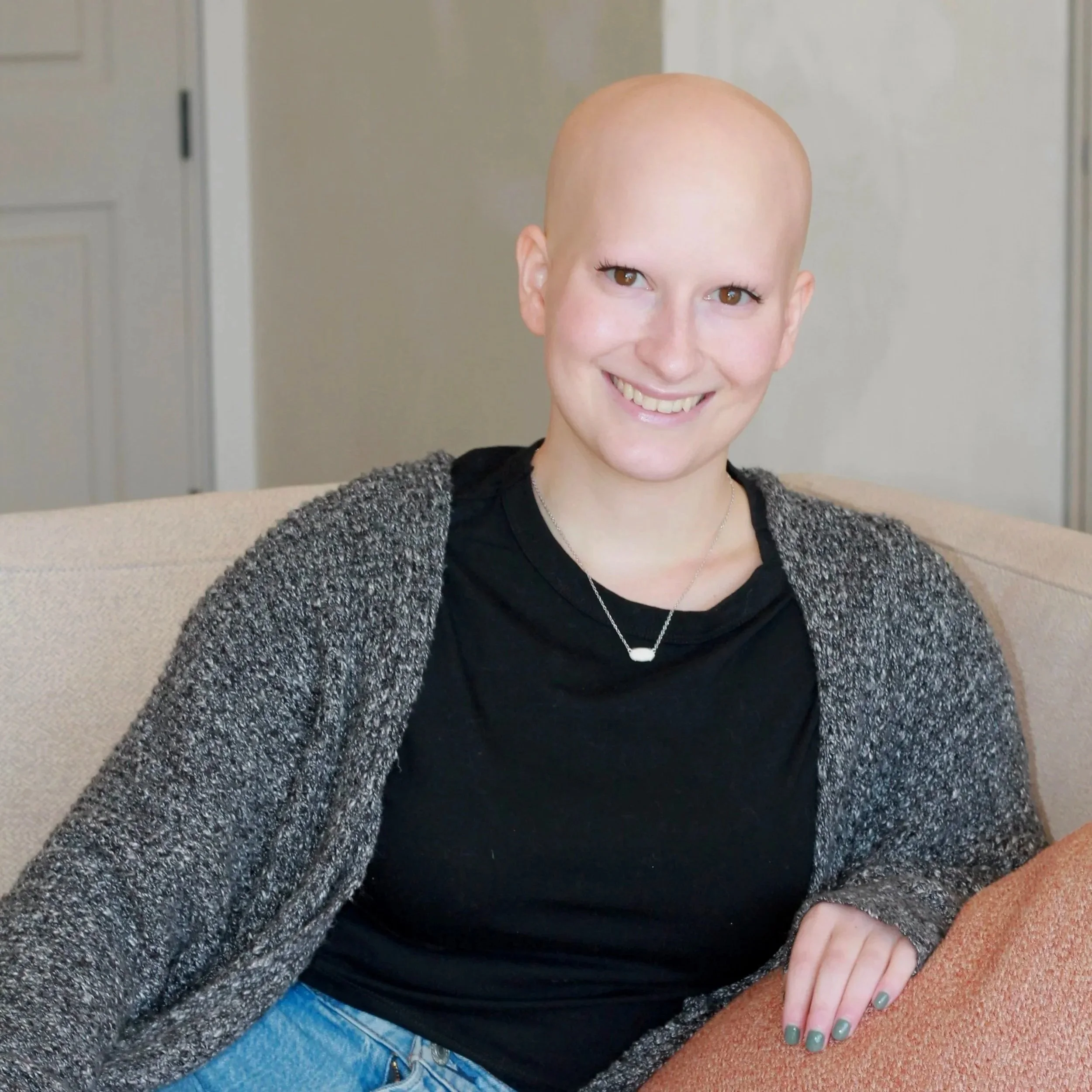
Alison Mann, LCSW is a licensed psychotherapist and founder of Authentically You Therapy, where she specializes in body image healing, anxiety, eating disorders, and body-focused repetitive behaviors. Her work is rooted in body-positive values and neurodivergent affirming care. Alison is also the founder of Aid by Ali, a platform providing mental health resources for individuals experiencing hair loss. She is passionate about helping people feel safe to be their authentic self.