
Mirror Exposure Therapy for Body Image & Eating Disorders
Online treatment across New York for all degrees of body image injury, including body dysmorphia
Learning to see yourself without the spiral:
For many people struggling with body image, eating disorders, or body dysmorphic disorder (BDD), mirrors don’t feel neutral. They can become a source of panic, shame, checking, criticism, comparison, or complete avoidance.
You may find yourself:
Picking apart specific body parts
Rechecking your appearance repeatedly
Avoiding mirrors altogether
Feeling consumed by what you “see”
Needing reassurance after looking in the mirror
Spiraling after getting dressed
Hyper focusing on perceived flaws
Feeling disconnected from your body entirely
Mirror exposure therapy is designed to help interrupt that cycle.


Rather than forcing toxic positivity or asking you to suddenly “love your body,” mirror exposure helps you build a more realistic, grounded, and less emotionally reactive relationship with your reflection.
The goal is not to convince you that you look perfect.
The goal is helping mirrors stop having so much power over your nervous system and self-worth.
Mirror exposure therapy might be an appropriate treatment for you if you experience…
Eating disorders
Body dysmorphic disorder (BDD)
Chronic body dissatisfaction
Appearance anxiety
Compulsive body checking
Mirror avoidance

What Mirror Exposure Therapy Looks Like

Mirror exposure therapy is structured, collaborative, and paced intentionally.
In sessions, we often begin by learning neutral body language. Instead of using judgmental or emotionally loaded descriptions, you’ll practice describing your body using observable language related to:
Shapes
Colors
Forms
Texture
Shading
In these sessions, you will asked to describe yourself head to toe using this type of neutral language. Your brain cannot judge and neutrally describe at the same time
During mirror exposures:
The therapist and client collaboratively agree on clothing choices ahead of time (with the goal of starting with a minimally distressing outfit and building up)
Cameras are turned off and the therapist is only listening to your language
The therapist listens closely for judgment, checking, reassurance-seeking, or avoiding a part of your body within the description
We pause periodically to check in on distress levels and nervous system responses
You learn how to stay present without engaging in compulsions or self-attack
Treatment may also include elements of:
Exposure and Response Prevention (ERP)
Nervous system regulation
Self-compassion work
Identity and self-worth exploration
If you’re ready to try a new approach for your body image distress and want to determine if mirror exposure is a good if for you, set up a free consultation below!
Related support areas…
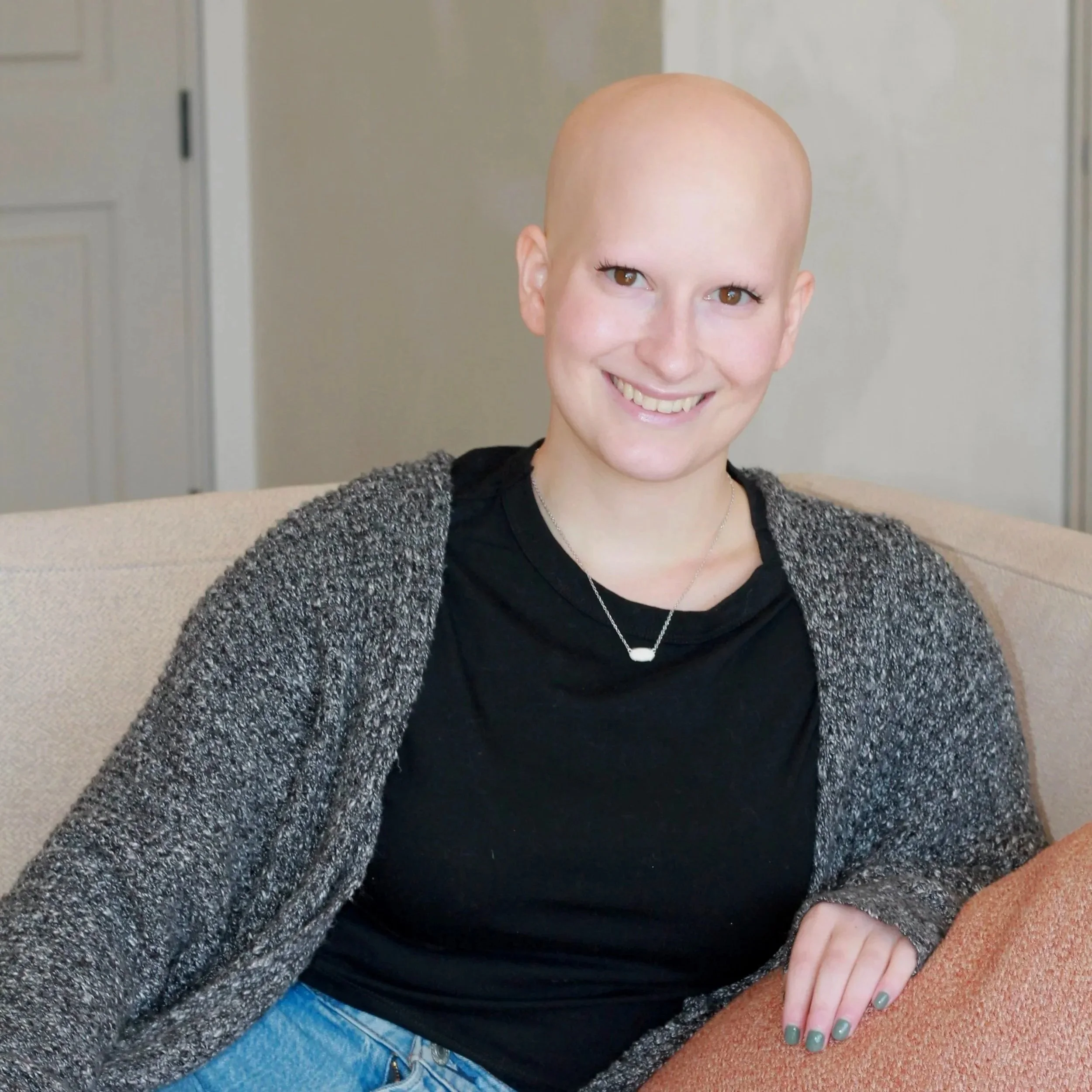
Alison Mann, LCSW, Body Image Therapist
Specialties
Body Image
Anxiety/OCD
Eating Disorders
Body Dysmorphia
Eating disorders
Binge eating disorder
Anorexia
Bulimia
Modalities
CBT
CBT-E
DBT
ERP
Mirror exposure therapy
Mindfulness
Self compassion practices
FAQs
-
In our first session together, I will gather a detailed history of your body story thus far (of course, to the extent that you feel comfortable sharing). We will discuss your current thoughts/feelings about your body, how your lived experiences have shaped the way you view yourself and any coping patterns you have developed as a result. From there, we will discuss the goals you have for your body image journey and create a treatment plan to support these goals.
-
Good body image is defined by a lack of body thoughts. If you notice your days consist of being preoccupied with thoughts about your body (such as, worries of how people perceive you or needing to consistently check in the mirror or avoid reflections all together) then it is likely important to have a therapist who specializes in body dysmorphia.
-
Making sure you find a therapist who is a good fit is crucial. That is why we will start with a 15min consultation together. During this call, I will explore what you are looking for and you will be able to ask me any questions as well. If we decide it is a good fit, then we will schedule our initial appointment!
If for any reason it is not a good fit, then I am happy to offer you referrals.